

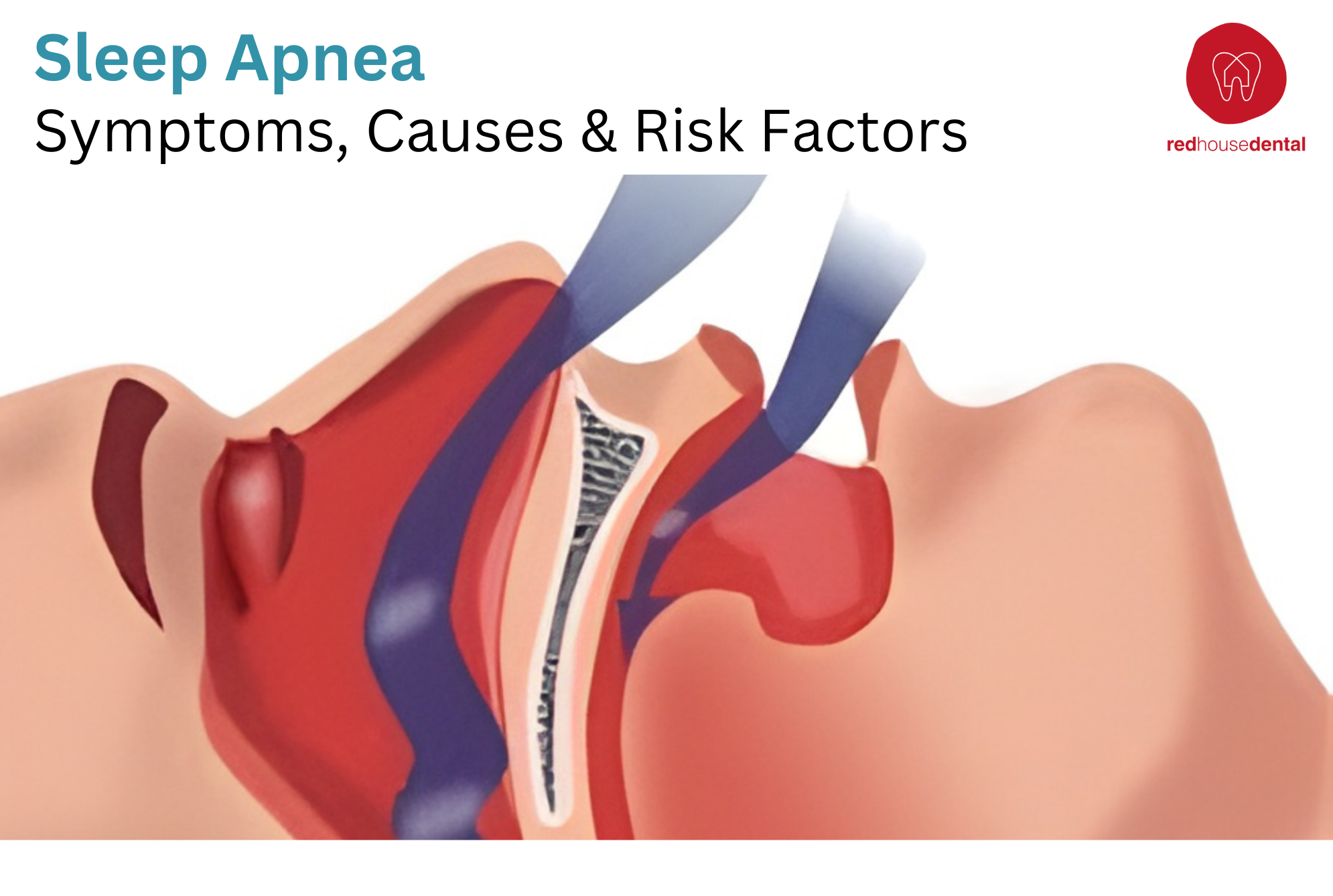
It is a common problem to suffer from sleep Apnea is a serious sleep disorder that affects the way people breathe while they sleep. A large number of sufferers are affected without even realising they have it. The frequent snoring, the continuous fatigue, or even the waking up with headaches are often ignored or blamed on stress. However, these signs could be a sign of sleep apnea. If not treated, sleep apnea can affect not only how well you sleep, but also the overall quality of your health. Recognising the factors that cause it, the symptoms and aspects are the initial step to better sleep and overall health.
What Is Sleep Apnea?
Sleep apnea makes breathing stop and repeat and then resumes after a person is sleeps. These breathing stoppages could be as short as a few seconds or a minute, and they can happen repeatedly during the course of the time of the night. When breathing stops, the brain wakes the body to restart breathing. The majority of people do not remember the awakenings, but they can disturb a restful peaceful sleep.
At the final point, people suffering from sleep apnea typically exhausted even after having several hours sleeping. In time it is possible that the inability to get restful sleeping can cause serious health problems.
Types of Sleep Apnea
Three main types of sleep apneas, each with an individual reason:
1. Obstructive Sleep Apnea
The most common kind of sleep apnea. It happens because the muscles located the sides of your throat are contracted excessively while you rest. This relaxes the airway, causing it to narrow or get blocked, which reduces or stops airflow.
2. Central Sleep Apnea
If you suffer from central sleep apnea, your brain doesn’t transmit the correct signalling to the muscles responsible for breathing. Contrary to sleep apnea which is obstructive, your airway isn’t blocked. However breathing stops because of the body’s inability to make the required effort needed to breathe.
3. Complex Sleep Apnea
It is a combination of obstructive and central sleep apnea. It is typically diagnosed when signs of the two conditions are evident.
Common Symptoms of Sleep Apnea
Sleep Apnea symptoms generally occur slowly and this is why the majority of people do not experience manifestations. The symptoms may manifest at late at night or in daystime.
Nighttime Symptoms
- Loud and continuous snoring
- Breathing stops, sleeping ceases and stops and
- The feeling of gasping for air or getting choked
- Unrestful or sleepy
- One of the first things you notice is dry mouth or sore throat
- Frequent nighttime awakenings
Daytime Symptoms
- Continuous fatigue, or exhaustion
- Trouble concentrating
- Memory issues
- Morning headaches
- Changes in mood, or anger
- Feeling unrefreshed after sleep
If you are noticing these signs frequently, it is important to not ignore them.
What Causes Sleep Apnea?
The reasons behind sleep apnea differ based on the kind however, it is typically caused by neurological or physical reasons.
Causes of Obstructive Sleep Apnea
- Relaxation of the throat muscles during the sleep
- Tissue that isn’t properly placed in the neck area or throat
- Airway small structure
- Tonils, which can be big or tongues
- Jaw position could force the tongue to move backwards
Causes of Central Sleep Apnea
- Issues with brain signaling that can affect breathing
- Certain neurological disorders
- Heart-related diseases
- A long-term consumption of certain medications
In many cases, there are a variety of causes of the issue.
Major Risk Factors for Sleep Apnea
Certain individuals are more likely to develop sleep apnea due to the effect of a variety of risk factors. This includes:
1. Excess Weight
The additional weight, especially on the neck can result in tension on the airway, which could make the airway more vulnerable to collapse in sleep.
2. Age
Sleep apnea may become more frequent as you get older however, it may be a problem for younger adults as well.
3. Gender
Men are more likely to be affected by sleep apnea. However the risk for females is greater as they reach menopausal years.
4. Family History
Sleep apnea in the family or frequent snoring can increase the risk of developing the disorder.
5. Smoking and Alcohol
Smoking cigarettes can cause swelling in the airway. Alcohol relaxes the throat muscles, increasing the possibility of obstruction in the airway.
6. Medical Conditions
High blood pressure heart disease hormone problems, and diabetes can increase the likelihood of developing sleep apnea.
Why Sleep Apnea Should Not Be Ignored
Sleep apnea, when not treated, can affect more than sleep. The frequent drops in oxygen levels create stress on the body and can lead to serious health issues with time, including:
- High blood pressure
- The heart as well as stroke
- Type 2 diabetes
- Memory problems and poor concentration
- Anxiety and depression
- The risk of accidents is increased because of sleepiness at night
Early detection and treatment for cancer could significantly reduce the risk of developing cancer and improve living quality.
Diagnosis and Treatment Overview
Sleep apnea is usually identified through a thorough assessment of health and sleep. Treatment is dependent on the degree and severity of the sleep disorder.
Common methods are:
- Devices that help keep the airway open during sleep.
- Oral appliances that aid in helping jaws remain in position
- Lifestyle modifications, such as weight loss
- Changes in the sleeping position
- Medical options or surgery in specific circumstances
A physician can recommend the best treatment plan dependent on your individual needs.
How Red House Dental Supports Sleep Apnea Care
At Red House Dental, patient health extends far beyond the scope of dental health. Sleep apnea could be a sign of problems in the mouth and jaw, like jaw tension, teeth grinding, dry mouth, and damaged dental. When routine dental examinations are carried out, warning signs can be detected at an early stage.
The team at Red House Dental focuses on the comprehension of the individual’s needs and symptoms. When it is thought that sleep apnea might be the cause, the team will assist patients in an exhaustive evaluation and offers dental solutions that help improve breathing during sleep. Their focus on the patient will ensure the best communication, ease and assistance at each stage. By combining the expertise of a dentist with general health education, Red House Dental plays an essential role in enhancing the quality of rest and overall wellbeing.
Conclusion
Sleep apnea is a common but serious illness that affects the quality of sleep, breathing as well as general health. Many people are affected by it without realising, thinking that their symptoms are normal fatigue and anxiety. If they recognise the symptoms of the disorder and its causes and risk factors, individuals can get involved early and seek appropriate treatment. When they are aware of the issue early, making lifestyle changes and seeking professional assistance as dental screenings, sleep apnea could be effectively treated. Improved sleep improves energy levels, health and overall health. living.