

Many serious diseases do not start with pain or visible symptoms. They develop quietly inside the body over months or even years. By the time signs appear, treatment options may be limited or complex. This silent progression is one of the biggest challenges in modern health care. People often believe they are healthy simply because they feel normal.
Whole body MRI has changed this approach. It allows doctors to view most major organs and tissues in one detailed scan without radiation. This article explains how whole body MRI supports early disease detection, what conditions it can reveal, who benefits most, and how it fits into preventive health planning for adults seeking long term wellness.
What Is Whole Body MRI
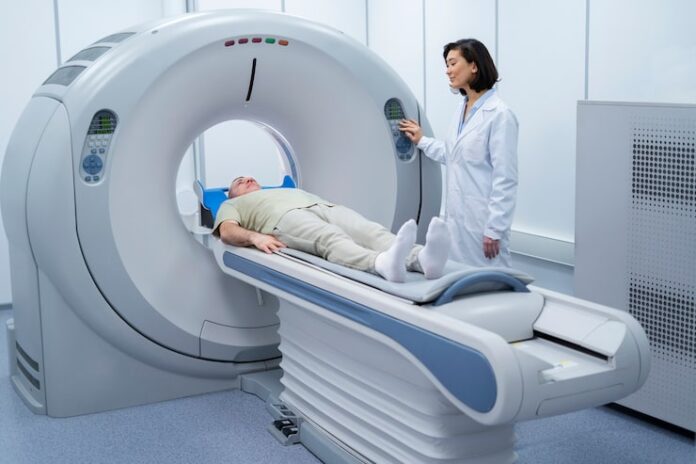
Whole body MRI is an advanced imaging test that scans most of the body in a single session. It uses strong magnetic fields and radio waves to produce detailed images of organs, soft tissues, bones, and blood vessels.
Unlike many other imaging tests, MRI does not expose the body to radiation. This makes it suitable for preventive screening and repeat evaluations when needed. The scan usually includes the brain, spine, chest, abdomen, pelvis, and major joints depending on protocol.
Whole body MRI focuses on structure and tissue quality. It highlights early changes that may not yet cause symptoms or abnormal blood test results.
Why Early Disease Detection Is Important
Many chronic and life threatening diseases develop slowly. Cancer, neurological disorders, organ damage, and inflammatory conditions often progress silently. Blood tests alone may not reveal early structural changes.
Early detection allows medical care to begin before disease spreads or causes permanent damage. It increases treatment options, reduces complications, and improves long term outcomes.
Whole body MRI plays a role in identifying early stage disease by showing physical changes inside the body rather than waiting for symptoms to appear.
How Whole Body MRI Works
MRI scanners create images by aligning hydrogen atoms in the body using magnetic fields. When radio waves are applied, these atoms release signals that are converted into images.
Different tissues produce different signal patterns. This allows MRI to distinguish between healthy tissue, inflammation, abnormal growth, and degeneration.
Because MRI shows soft tissue clearly, it is particularly effective for brain, spine, organs, muscles, and bone marrow evaluation.
Conditions That Can Be Detected Early Through Whole Body MRI
Whole body MRI is not a diagnostic guarantee, but it helps identify areas that need further evaluation. It supports early detection across multiple systems.
Cancer and Tumor Related Findings
Whole body MRI can detect abnormal masses in organs, lymph nodes, bones, and soft tissues. It is useful for identifying tumors before they cause pain or weight loss.
Early stage tumors are often smaller and localized. Detecting them early allows less aggressive treatment and better outcomes.
MRI is especially useful for cancers that do not always show clear early blood test changes.
Brain and Nervous System Conditions
MRI provides detailed images of the brain and spinal cord. It can reveal early signs of neurological disorders, silent strokes, brain lesions, and spinal compression.
Many neurological conditions begin with subtle changes that are not obvious during routine examination. MRI can detect these changes early and guide timely care.
Spine and Musculoskeletal Disorders
Whole body MRI evaluates the spine, joints, muscles, and bone marrow. It can detect disc degeneration, nerve compression, joint inflammation, and early arthritis.
People with sedentary lifestyles or repetitive strain often develop spine changes before pain becomes severe. Early detection supports posture correction and preventive care.
Organ Damage and Inflammation
MRI identifies early inflammation or structural changes in organs such as the liver, kidneys, pancreas, and intestines.
Conditions like fatty liver disease, organ scarring, or cyst formation can be detected before symptoms appear. This allows lifestyle changes or monitoring before damage progresses.
Vascular and Blood Flow Changes
MRI can assess major blood vessels and detect narrowing, abnormal vessel structure, or reduced blood supply in certain regions.
Early vascular changes increase the risk of stroke and organ damage. Detecting them early supports preventive treatment.
Whole Body MRI in Preventive Health Screening
Preventive health focuses on identifying risk before disease develops. Whole body MRI fits into this approach by offering a broad internal view.
It does not replace blood tests or clinical exams. Instead, it complements them by showing structural information that blood markers may miss.
People who choose preventive MRI screening often do so to gain clarity about their internal health status.
Who May Benefit Most From Whole Body MRI
Whole body MRI is not required for everyone. It is most useful for certain groups based on risk factors and health goals.
People who may benefit include
1 Adults with family history of cancer or neurological disease
2 Individuals with long term unexplained symptoms
3 People with high stress or sedentary lifestyles
4 Those seeking comprehensive preventive screening
5 Individuals with previous abnormal imaging findings
Medical guidance helps determine suitability and frequency.
Whole Body MRI Versus Other Imaging Tests
Different imaging tests serve different purposes. Whole body MRI has specific strengths compared to other scans.
MRI shows soft tissue in greater detail than CT scans. It avoids radiation exposure found in CT and X ray imaging.
Ultrasound is useful for targeted organ evaluation but cannot provide a full body overview.
Whole body MRI offers a balance of safety and detailed coverage when used appropriately.
Safety and Comfort During the Scan
Whole body MRI is generally safe for most people. However, it is not suitable for individuals with certain implanted medical devices unless approved.
The scan requires lying still inside the scanner for a period of time. Noise is present, but ear protection is provided.
Claustrophobic individuals may require preparation or open scanner options.
Medical teams review patient history before scanning to ensure safety.
Accuracy and Limitations of Whole Body MRI
Whole body MRI is highly sensitive. It can detect small changes that may or may not be clinically significant.
Not every finding represents disease. Some findings require monitoring rather than treatment. This is why professional interpretation is essential.
MRI may not detect very small calcifications or certain lung conditions as clearly as CT scans. It is part of a broader diagnostic approach, not a standalone solution.
Interpreting Results and Next Steps
Results from whole body MRI are reviewed by trained radiologists. Findings are categorized based on clinical relevance.
Some results may require additional tests. Others may only need observation or lifestyle modification.
Clear communication helps patients avoid unnecessary anxiety and focus on meaningful actions.
Whole body MRI offers a powerful way to detect early signs of disease before symptoms appear. By scanning major organs, tissues, and systems in one session, it provides valuable insight into internal health without radiation exposure.
When used responsibly and interpreted by qualified professionals, whole body MRI supports early intervention, preventive care, and long term health planning. It does not replace regular medical checkups but adds depth to health evaluation. For individuals seeking clarity and proactive care, whole body MRI plays an important role in modern preventive medicine.