

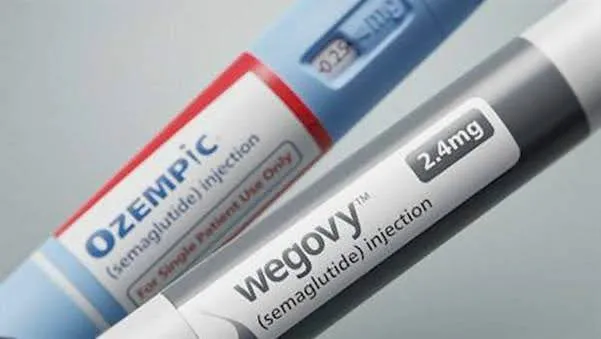
Semaglutide has become widely discussed in conversations about diabetes and medical weight management. Two names appear particularly often: Ozempic and Wegovy. Because both contain semaglutide, it is easy to assume they are interchangeable. In practice, their treatment purposes and dosing frameworks are not the same. A proper consultation should therefore focus on why treatment is being considered, the patient’s medical history and whether semaglutide is suitable in the first place.
Why Ozempic and Wegovy Are Often Confused
Both medicines contain semaglutide, which belongs to a group of medicines known as GLP-1 receptor agonists. Malaysia’s NPRA also identifies semaglutide as part of this medicine class. The shared active ingredient explains why Ozempic and Wegovy are often discussed together. However, the brand still matters because each product has its own treatment context and dosing approach. Patients should therefore avoid assuming that one medicine can automatically replace the other.
Where Ozempic Fits
People researching Ozempic Malaysia may encounter the medicine in discussions about both type 2 diabetes and weight management. Malaysia’s official QUEST3+ database lists registered Ozempic products containing semaglutide. Nexus Clinic explains that Ozempic is registered for type 2 diabetes in Malaysia and may be considered for weight management in selected patients following medical assessment. This distinction should be discussed during consultation. Patients should understand why the medicine is being considered, what outcome is expected and how progress will be monitored.
Where Wegovy Fits
For people researching Wegovy Malaysia, the treatment context is more directly focused on weight management. Wegovy also contains semaglutide, and Malaysia’s QUEST3+ database lists registered Wegovy products in several strengths. Nexus Clinic describes Wegovy as a semaglutide-based treatment used within a structured, doctor-led weight-management programme. However, availability does not mean that the medicine is appropriate for everyone. A clinician still needs to consider the patient’s health, treatment goals and individual risk factors.
Dose Schedules Are Not Identical
Because both products contain semaglutide, patients may assume that their doses can be compared directly or that switching between products is straightforward. That should not be done without medical guidance. Different products have their own dosing schedules and treatment pathways. A clinician should decide how treatment is started, adjusted or changed according to the specific product and the patient’s response. Dose increases are generally gradual rather than immediate. This allows time to assess tolerance and reduce unnecessary side effects.
Side Effects Need to Be Discussed
GLP-1 medicines can cause gastrointestinal symptoms, including nausea, vomiting and diarrhoea. Patients should know what effects may occur and when medical advice is needed. Malaysia’s NPRA issued a safety alert in July 2026 concerning the risk of severe acute pancreatitis with GLP-1 and dual GLP-1/GIP receptor agonists.
Patients should seek medical assessment for severe and persistent abdominal pain, particularly when it occurs with nausea or vomiting. People planning surgery or procedures involving deep sedation should also tell their healthcare team about GLP-1 treatment. NPRA has highlighted delayed gastric emptying and its possible relevance to aspiration risk during anaesthesia.
Medication Is Only Part of Weight Management
Semaglutide can support a medical weight-management programme, but medication should not become the entire strategy. Balanced eating, adequate nutrition, regular physical activity and sufficient sleep remain useful parts of long-term weight management.
Follow-up appointments can also help clinicians review weight trends, appetite, treatment tolerance and whether the current approach is still suitable. Patients should ideally develop habits that remain practical even if medication is later adjusted or stopped.
Avoid Choosing Based Only on Price
Cost and availability are understandable considerations when comparing treatments. However, prescription medicines should be obtained through legitimate medical or pharmacy channels. Malaysia’s NPRA states that registered medicines are assigned registration numbers that appear on their packaging.
Patients should therefore be cautious about unusually cheap products offered through informal sellers. If a particular medicine is unavailable or does not fit the patient’s budget, discussing suitable alternatives with the prescribing clinician is safer than changing products independently.
Plan for Long-Term Maintenance
Starting treatment often receives more attention than maintaining progress afterwards. A structured programme should discuss what happens if the dose changes or medication is eventually stopped. Eating habits, physical activity and regular follow-up can all play a role during this stage.
Thinking about maintenance early can help patients approach medical weight management as a longer-term health strategy rather than a short-term intervention.
Conclusion
Ozempic and Wegovy contain the same active ingredient, but they should not be treated as identical medicines. Their treatment purposes and dosing pathways differ, and both require appropriate medical supervision.
Before beginning semaglutide treatment, patients should understand why a particular product is being recommended, how treatment will be monitored and what possible side effects need attention.
The most suitable choice is not simply the most popular option. It is the treatment that fits the patient’s health needs, medical indication and longer-term weight-management plan.