

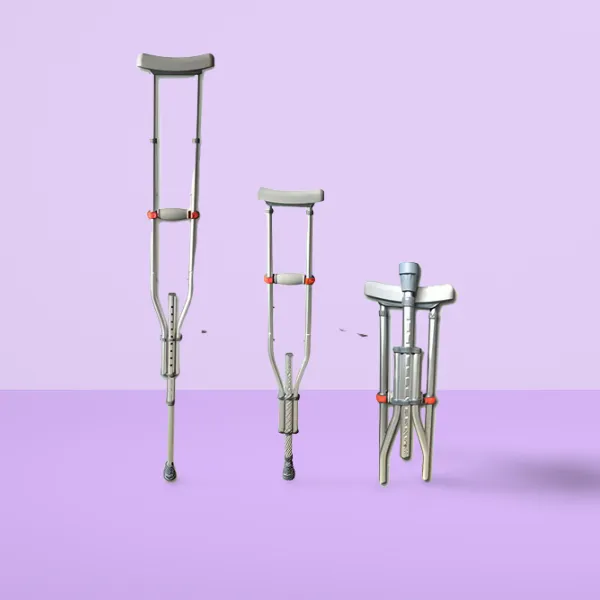
Buying crutches for a pharmacy, clinic, or medical supply store involves more comparison work than most buyers expect when they first start requesting quotes from vendors. Prices vary considerably between suppliers, padding quality differs more than catalog photos suggest, and some vendors skip basic durability testing that matters enormously for patients relying on this equipment daily. Whether you’re stocking a rehab facility or a retail pharmacy chain, understanding what separates a genuine Underarm Crutch Supplier in Chile from a mediocre one saves both money and future frustration. This guide covers what actually matters during sourcing.
Padding Quality and Comfort Standards
Underarm padding affects patient comfort more than almost any other single feature, since poor padding causes soreness and bruising within just a few hours of regular use. Ask suppliers about foam density specifically, not vague comfort claims that sound reassuring but lack real substance behind them. Cheap padding compresses fast and loses cushioning within weeks, leaving patients stuck with equipment that actively causes discomfort. Request physical samples before committing to bulk orders, since padding quality varies more than photographs ever reveal.
Height Adjustment Range Matters
Crutches need to fit a wide range of patient heights, and limited adjustment ranges force facilities to stock multiple sizes unnecessarily across their inventory. Ask about adjustment increments and total range covered by a single model, since finer increments generally mean better individual fit for patients. A dependable Hospital Bed Manufacturer in Argentina faces similar sizing range questions across their broader product catalog, and that same attention to adjustability should carry over into crutch sourcing decisions too; always confirm exact specifications.
Frame Material and Weight Balance
Aluminum frames dominate this category for good reason, balancing strength against manageable weight that patients can actually maneuver without excessive strain during daily use. Ask suppliers for exact weight specifications per unit, not general material claims that sound solid but lack real numbers behind them. A frame that’s noticeably heavier than competitors becomes tiring fast, especially for elderly patients or those already dealing with limited upper body strength and endurance issues.
Rubber Tip Durability Standards
Rubber tips wear down faster than most buyers expect, particularly on rough outdoor surfaces or uneven flooring found in many clinical and home settings regularly. Cheap rubber cracks and loses grip within months, creating genuine slip hazards that facilities cannot afford from a liability standpoint worth taking seriously. Ask about replacement tip availability and pricing upfront, since these components need periodic swapping regardless of overall crutch quality involved. Suppliers stocking readily available parts save considerable hassle later.
Comparing Pricing Across Vendors
Lowest quoted price rarely reflects genuine long-term value once replacement parts and durability enter the overall equation across regular daily use patterns. Get itemized quotes covering base unit cost, warranty terms, and spare parts availability clearly spelled out in writing beforehand without ambiguity. Compare at least three vendors side by side before deciding anything, since pricing structures vary more than most buyers expect walking into these negotiations initially. Factor total ownership cost across multiple years realistically.
Delivery Reliability and Bulk Ordering
Delivery timelines swing considerably between suppliers, sometimes differing by several weeks for essentially comparable crutch specifications and padding options offered across vendors. Confirm realistic shipping estimates upfront rather than accepting optimistic numbers salespeople quote just to close a deal quickly during negotiations. Ask about bulk order capacity too, since facilities restocking regularly need suppliers capable of handling larger quantities without extending delivery windows unreasonably long compared to smaller orders placed occasionally.
Warranty Terms and After-Sales Support
Warranty coverage reveals a fair amount about how confident a manufacturer feels regarding their own frame and padding quality across their entire product line. Look for coverage extending at least one year on frame components specifically, since welded joints experience the most stress under regular daily use conditions. Ask about local repair or replacement access too, since shipping equipment back overseas for warranty service wastes time facilities genuinely cannot spare when patients need working crutches now.
Conclusion
Sourcing crutches properly requires more attention than many buyers initially budget time for during procurement planning stages across their organization. From padding comfort to frame durability to realistic delivery expectations, each factor shapes whether the equipment holds up well across months of daily patient use, not just the first few weeks after purchase. Taking time to verify specifications, test samples directly, and compare vendors thoroughly pays off considerably once equipment enters regular rotation across a facility or retail operation. A little diligence upfront tends to prevent costly replacements later.